Microgrid
A microgrid gives your customer more power and continuity, without a grid upgrade
Battery, solar panels and generator work together as one system. Normally the site runs grid-parallel and the battery earns money on the market. When the peak climbs above the connection or the grid drops out, the microgrid takes over and the site keeps running. Off-grid is therefore just one of the states, and the EMS picks them itself.
Why your customer wants a microgrid
On a site with a battery, solar panels and a generator, the brake is usually the grid connection. Without control, this is what your customer runs into:
- A connection that cannot handle the peak, and a grid upgrade that takes years
- A grid outage that halts the process, while the battery and generator are sitting right there
- A generator burning fuel at moments the sun or the battery could have covered
What the EMS does
- Switch between grid-parallel and off-grid on its own, with nobody standing by
- Let the battery take over the site when the connection cannot handle the load
- Start the generator only when the battery really needs it, not earlier
- Curtail the solar and adjust large loads so the site stays balanced
- Reconnect to the grid safely, with a single confirmation in the app
- Run everything locally on the controller, so it is reliable without internet too
When you sell this
Three situations where a microgrid makes the difference. They often occur together on the same site.
The connection is too small
Peak demand goes above the permitted power and the grid upgrade is on a waiting list. The microgrid fills that peak itself, so your customer can expand without waiting for the grid operator.
Data centres and critical processes
Server rooms, cooling, production lines. If the grid drops out, the site keeps running on battery, solar and generator, in a state that has been tested up front.
The generator runs too much
Where a set is already installed, it usually runs longer than needed. Solar and battery first means less fuel, fewer running hours and less maintenance.
Data centres
Capacity added, downtime removed
A data centre already has the building blocks of a microgrid on site: a UPS with batteries and a standby generator. Today they sit waiting for an outage that hopefully never comes. The EMS makes them work together and turns them into an asset that pays off every day.
- New racks need power the grid operator often cannot deliver for years. The microgrid bridges that period.
- Outside the outage the battery earns on the market and holds down the peak on the bill, instead of standing idle.
- During an outage the UPS bridges the milliseconds, the battery takes over and the set only starts for the long haul.
- The mandatory generator test becomes a real off-grid run, with measurement and reporting in the app.
- All control runs locally on the controller, so it does not depend on a cloud service.
A grid outage in a data centre
Outside the outage the battery earns money on the market and shaves the peak. When the grid drops out, the UPS bridges the milliseconds, the battery takes over and the generator only starts for the long haul. As soon as the grid is stable, the EMS reconnects safely.
A peak, visualised
Outside the peak moments the installation simply runs grid-parallel. When demand climbs above the connection, the EMS disconnects and the battery takes over the site. As soon as it can, the system switches back safely.
From grid-parallel to off-grid and back
Disconnect, take over, adjust, reconnect
The installation runs at full power, even though demand sits above the connection. The grid is the bottleneck, not the brake on your customer.
Everything in one system
A microgrid only works when all sources cooperate. The Voltmaster Controller steers them based on the measurements on site, brand-independently.
Grid connection
The fixed capacity of the site. The EMS stays inside it and only disconnects deliberately.
Battery
The heart of the microgrid. On the grid it earns money, off the grid it keeps the site standing.
Solar panels
Free power. On surplus the output is curtailed, so the site stays balanced.
Generator
The backstop for long periods. Starts only at a low SoC and never delivers more than needed.
Loads
Large loads without a protocol switch along through the Voltmasters IO extension.
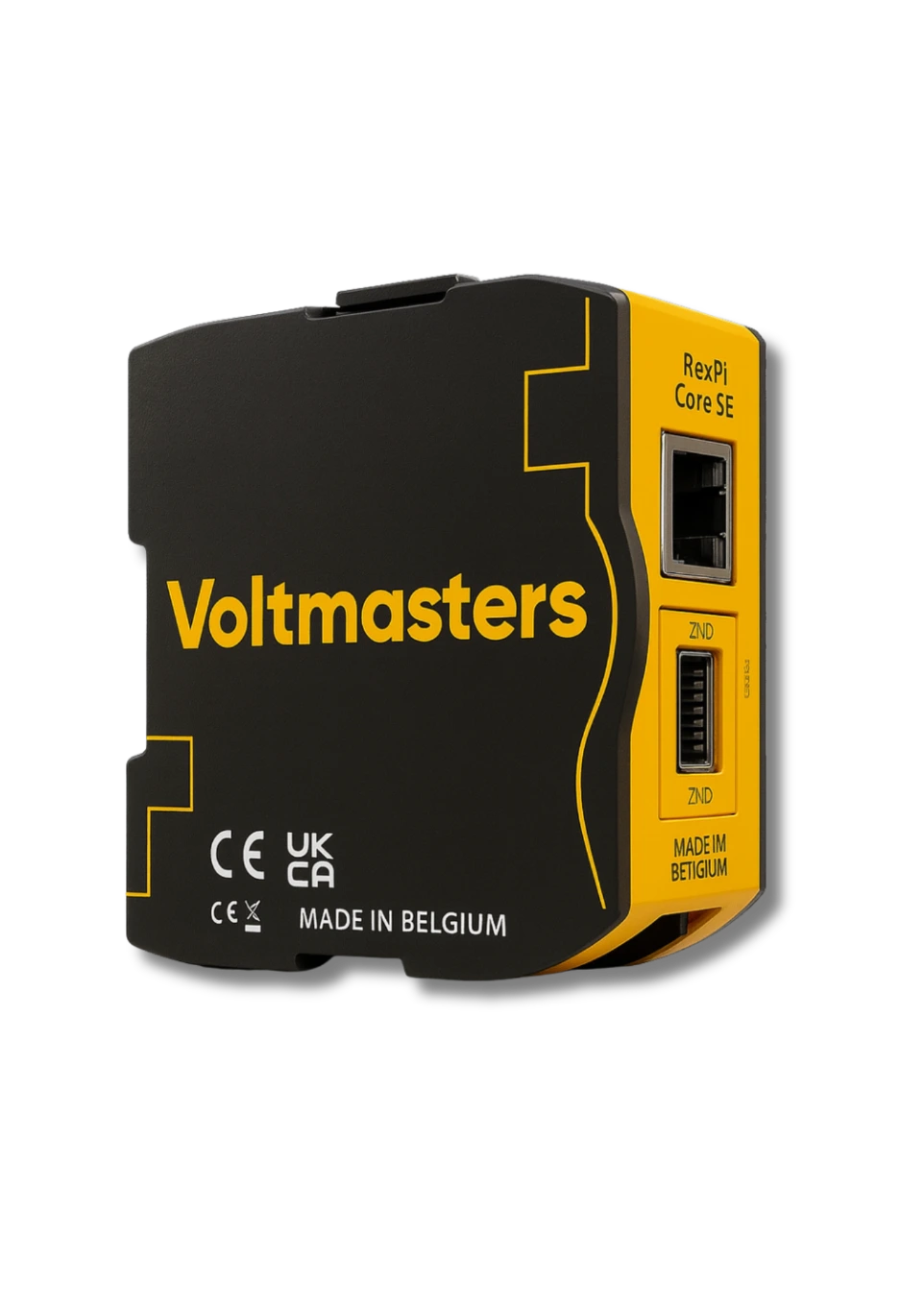
Voltmaster Controller
The industrial edge controller that steers it all locally, internet or not.
What your customer gains
- More available power without waiting for a grid upgrade
- A lower peak on the bill, month after month
- Sun first, generator only when really needed, so less fuel
- A site that keeps running when the grid drops out
- One platform and one app for grid, battery, solar and generator together
- Brand-independent, so you are not tied to a single manufacturer
Whether the transition to off-grid is fully seamless or comes with a short restart depends on the hardware chosen. We settle that together during design, so your customer knows what they are getting.
See what that looks like in the field:
FAQ
Frequently asked questions about microgrids
What is a microgrid?
A microgrid is a site with its own sources, its own loads and one coupling point to the public grid. Usually a battery, solar panels and a generator. It can simply run grid-parallel or keep working while disconnected, and the EMS handles the transition.
Is off-grid the same as a microgrid?
No. Off-grid is one state of a microgrid, namely the state in which the site runs disconnected from the grid. Most of the time a microgrid runs grid-parallel and the battery earns money on the market. That is exactly why it pays off.
Which sites is this interesting for?
Data centres and server rooms first of all: the battery and the standby generator are already there, and not a minute may be lost. Beyond that, sites up against the limit of their connection, cooling and production plants, farms, charging infrastructure and remote locations.
Does a microgrid replace the UPS in my data centre?
No, they complement each other. The UPS still bridges the milliseconds during an outage. The microgrid covers the hours after that with battery and generator, and in the meantime earns money on the market instead of standing idle.
Will my customer notice the transition?
That depends on the hardware in the cabinet. With the right combination the take-over is seamless; in other cases it is a short, controlled restart of a few seconds. We settle that together during design, so the expectation matches the installation.
When does the generator start?
Only when the battery needs it, or when the schedule shows it will not make it. That way the site runs on sun and battery for as long as possible. The EMS also respects a minimum run time, so the set does not keep starting and stopping.
Does it work without internet?
Yes. The full logic runs locally on the Voltmaster Controller. Steering the battery, generator, solar and loads therefore keeps working during an internet outage.
Does it work with the brands I install?
The EMS is brand-independent and supports 57 brands of batteries, inverters, EV chargers and meters. For a microgrid we look per project at which combination achieves the behaviour you want.
How do I start a microgrid project?
Get in touch with a short outline of the site: the connection capacity, the peak, what is already installed in battery, solar and generator, and what cannot be allowed to stop. We look together at which setup achieves the behaviour you want and what it returns.
Ready to make your first project pay off?
Tell us about your next installation. We will show you the platform, help you build the business case and guide you from first quote to certification.
Want to run the numbers first? Try the PV & battery simulator ↗